
Nagaland’s Hidden Gems
Top 10 Hidden Gems in Nagaland You Must Visit Beyond Hornbill Festival
When most travelers think of Nagaland, the first thing that comes to mind is the Hornbill Festival. While this grand celebration is indeed a must-experience, Nagaland’s beauty doesn’t end there. From serene villages to untouched valleys, sacred forests to adventurous trails—this land offers so much more to those who wish to go deeper.
At Rutsa Trails, we believe that the true essence of travel lies in experiencing places that remain unspoiled, where traditions are alive, and nature greets you with its raw beauty. Here’s our guide to 10 hidden gems in Nagaland that deserve a spot on your travel bucket list.
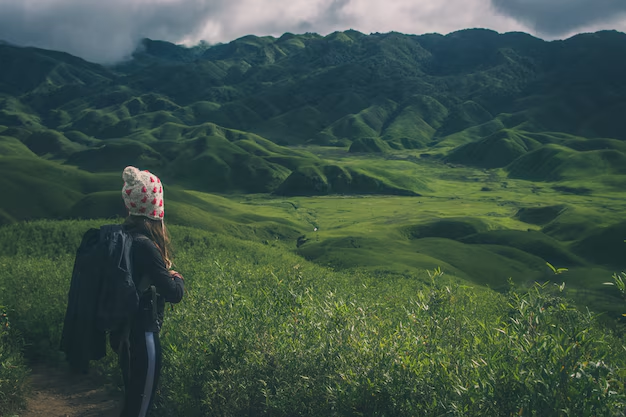
1. Dzükou Valley – The Valley of Flowers of the Northeast
Often called the Valley of Flowers of the East, Dzükou Valley is a paradise of rolling hills, wildflowers, and breathtaking landscapes. Located on the border of Nagaland and Manipur, it is best visited during summer when the valley is carpeted with lilies and rhododendrons.
Why visit? Ideal for trekkers, photographers, and nature lovers.
Best time to go: June to September for flowers, October to March for clear skies.
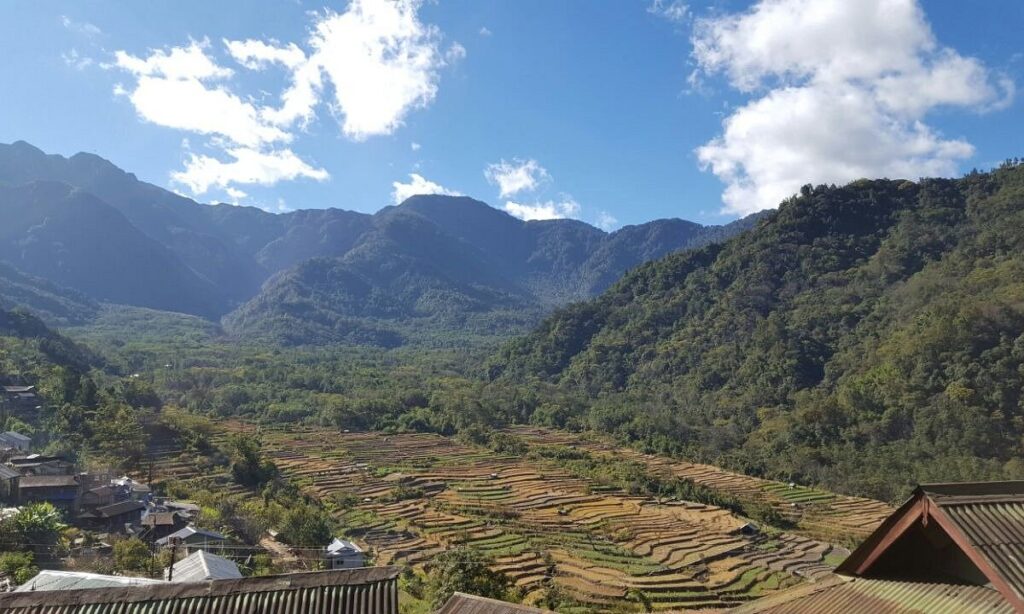
2. Khonoma Green Village – India’s First Green Village
Known for its rich history of fierce resistance and sustainable living, Khonoma is India’s first “Green Village.” The villagers have banned hunting and logging, making it a model for eco-tourism. Walking through Khonoma feels like stepping back in time, with terraced fields and stone-paved paths.
Why visit? To learn about community-led conservation and Angami culture.
Unique experience: Homestays with locals offering traditional cuisine.
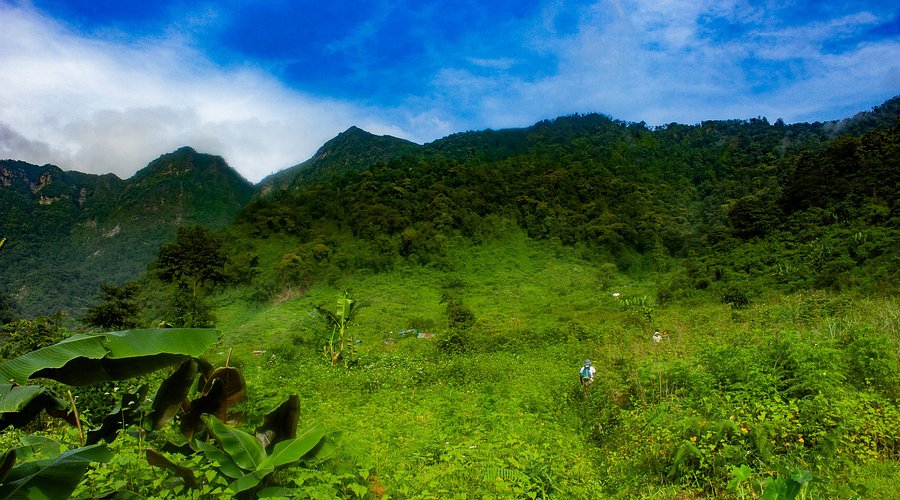
3. Japfü Peak – The Second Highest Peak in Nagaland
For adventure seekers, Japfü Peak is a rewarding climb offering mesmerizing sunrise views. Standing tall at 3,048 meters, it provides panoramic sights of Nagaland’s landscape and, on clear days, even parts of the Himalayas.
Why visit? Trekking, adventure, camping.
Highlight: Home to the world’s tallest Rhododendron tree (109 ft).
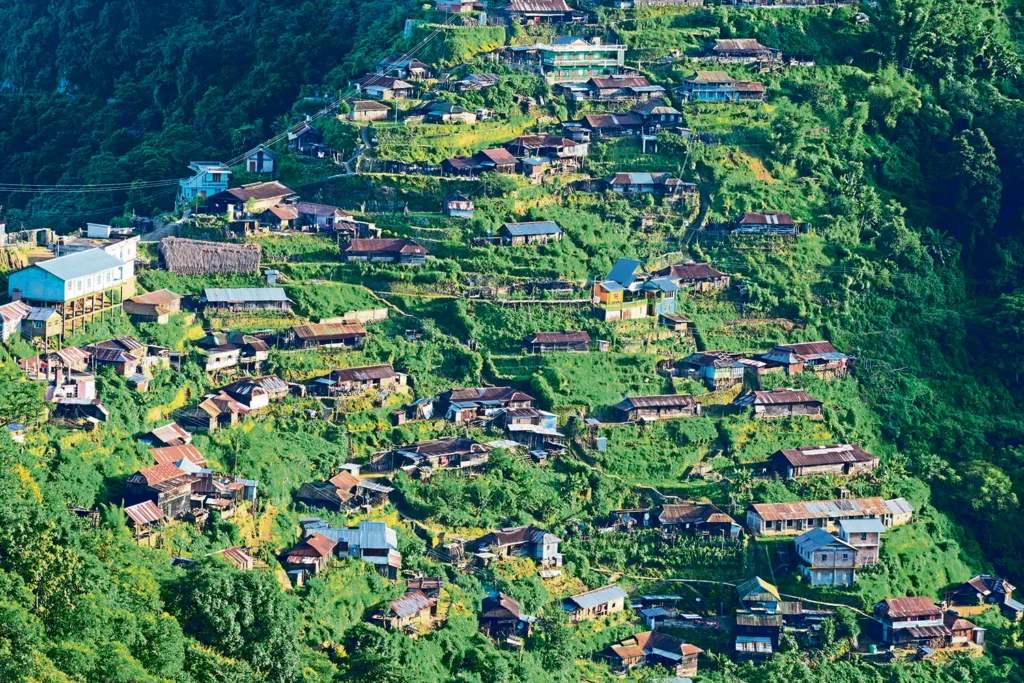
4. Benreu Village – The Balcony of Nagaland
Often overlooked by tourists, Benreu Village in Peren district offers one of the best views of Nagaland’s hills. The village is part of the Dzükou–Mt. Pauna range and is surrounded by forests.
Why visit? Authentic village life, panoramic mountain views, and cultural experiences.
Best for: Travelers seeking peace and cultural immersion.
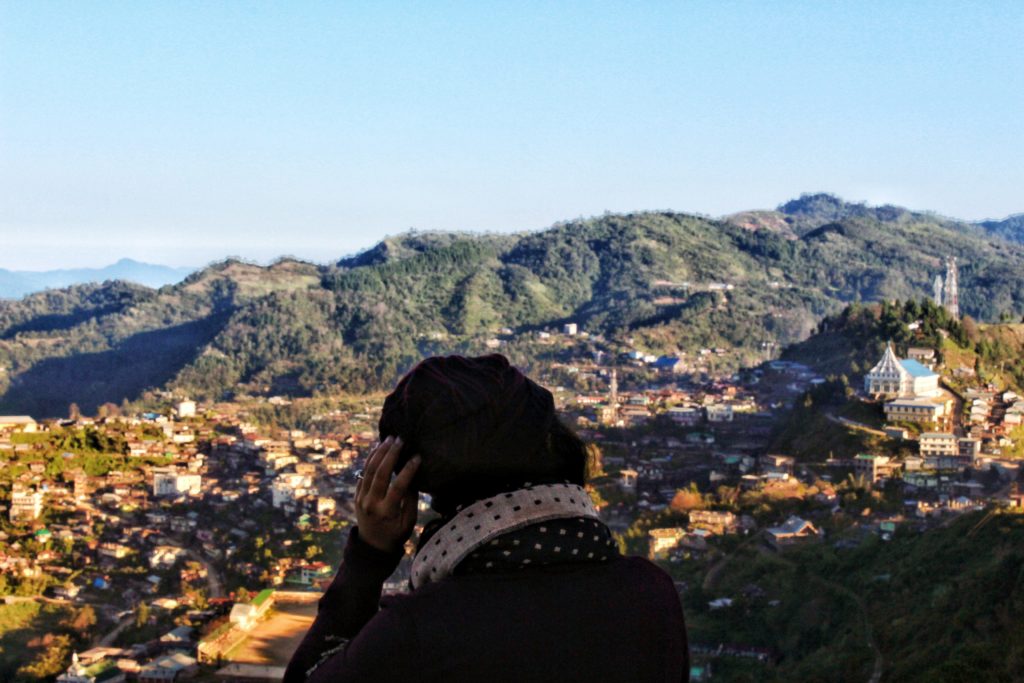
5. Pfutsero – The Coldest Inhabited Place in Nagaland
Located in Phek district, Pfutsero is known for its chilly climate and apple orchards. The town is an ideal base for exploring the Mount Japfü trek and the surrounding valleys.
Why visit? Experience Nagaland’s coldest town, sunrise at Glory Peak.
Special tip: Try the fresh apples and plums grown locally.
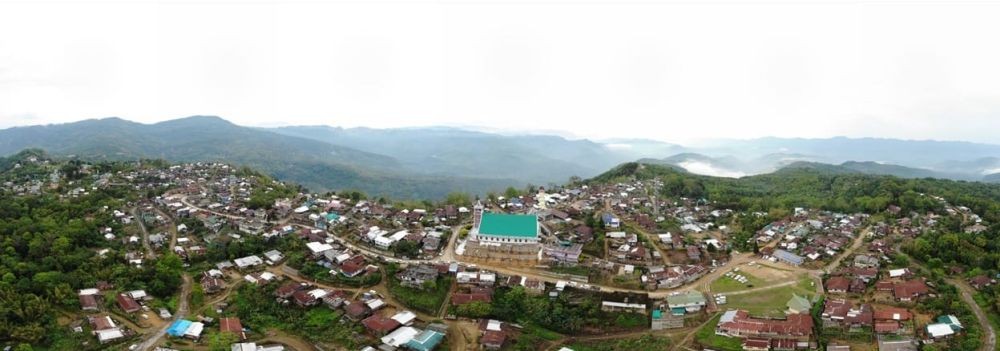
6. Mopungchuket Village – The Storytelling Village
This Ao Naga village is famous for its legendary folklore of Jina and Etiben (Nagaland’s Romeo and Juliet). Mopungchuket also has beautiful parks, lakes, and museums showcasing Ao heritage.
Why visit? Folklore, lakeside views, Ao culture, wooden carvings.
Experience: Visit the local tower for panoramic views of the village.
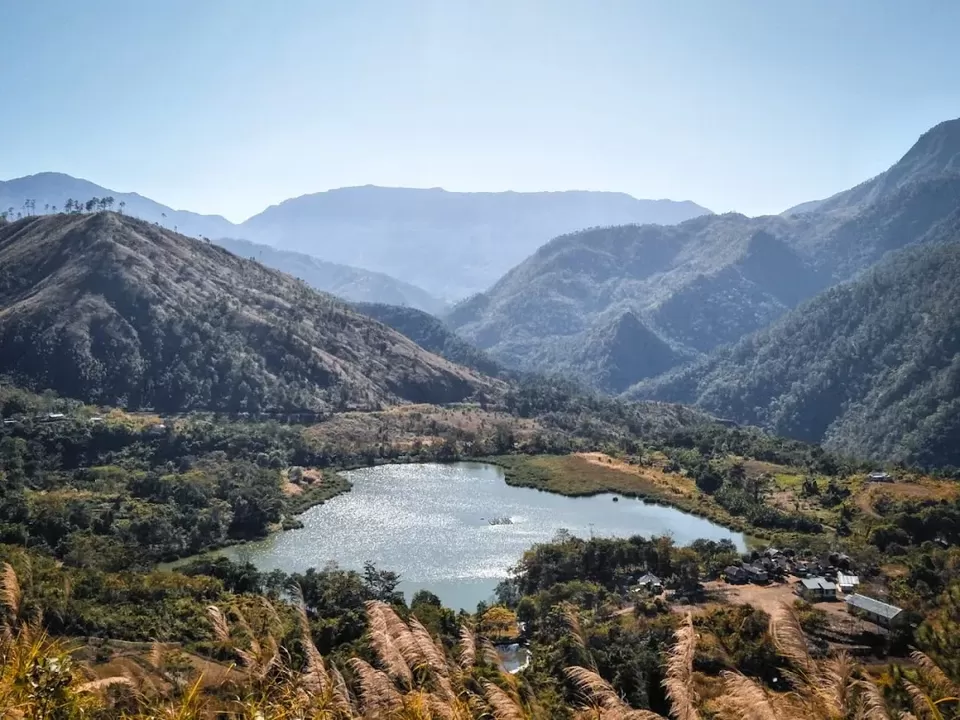
Shilloi Lake – The Mysterious Heart-Shaped Lake
Located in Phek district, Shilloi Lake is a mystical water body surrounded by legends. Locals believe the lake is bottomless and holds spiritual significance.
Why visit? Scenic beauty, birdwatching, and local legends.
Highlight: The lake changes color with the seasons.
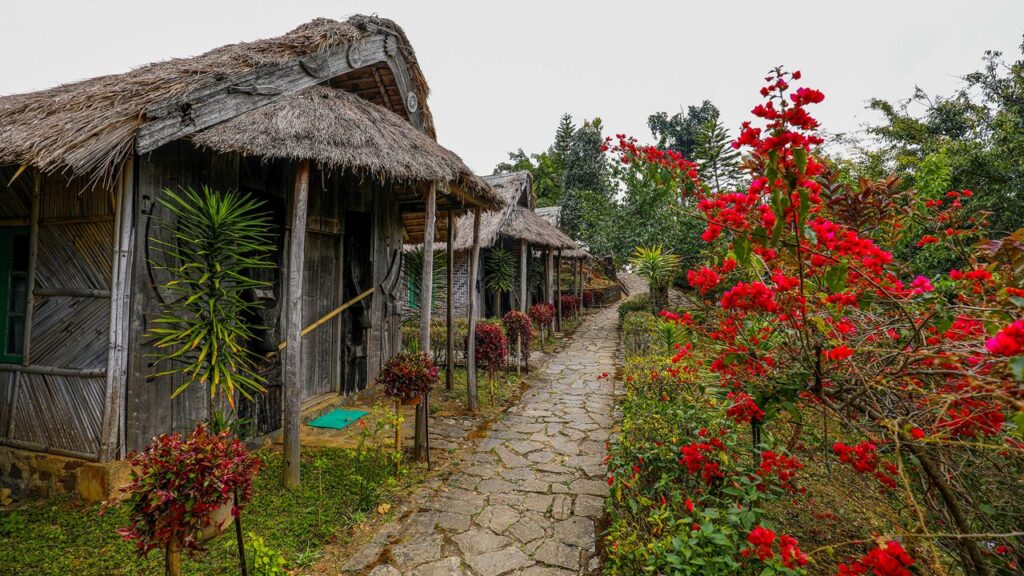
8. Tuophema Tourist Village – A Living Museum of Naga Culture
Built and managed by the local community, Tuophema offers travelers a chance to experience Naga traditions firsthand. From traditional dances to Naga feasts, visitors get to live the culture rather than just observe.
Why visit? Homestays, cultural shows, traditional meals.
Best for: Culture-seeking travelers, heritage explorers.
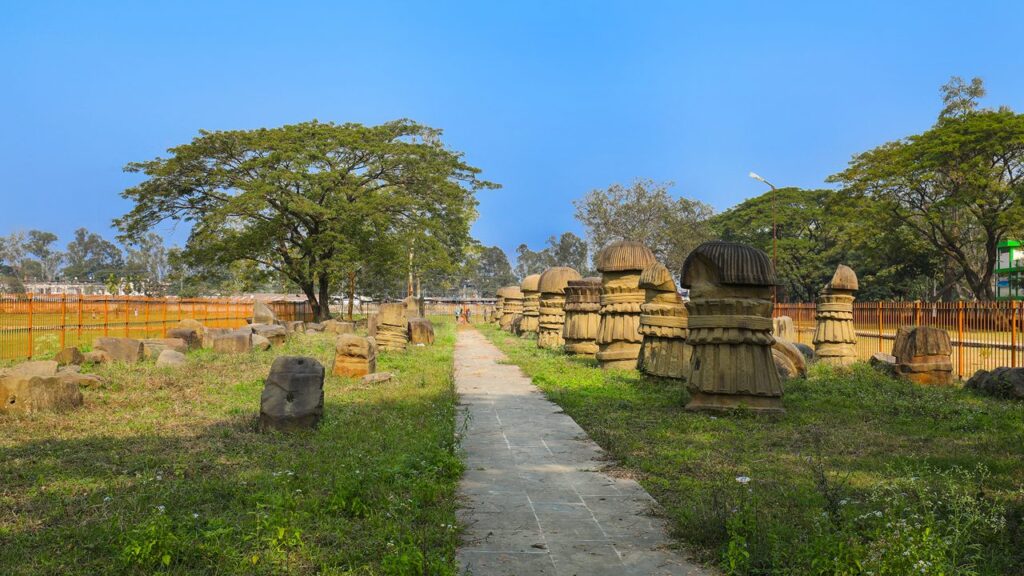
9. Kachari Ruins, Dimapur – Echoes of an Ancient Civilization
The mysterious Kachari Ruins date back to the 10th century and reflect the glory of the Dimasa kingdom. The stone monoliths and remnants of temples make it a fascinating site for history lovers.
Why visit? Ancient architecture and a glimpse into pre-Naga civilization.
Highlight: Unexplained stone structures with intricate carvings.
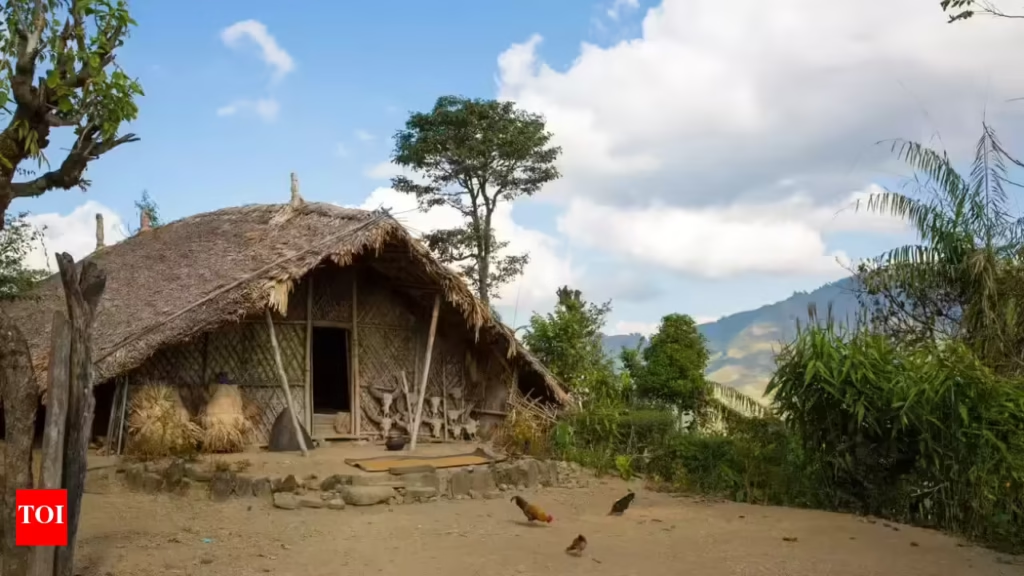
10. Longwa Village – A Village in Two Countries
Imagine standing with one foot in India and the other in Myanmar—that’s Longwa Village for you. This Konyak Naga village is famous for its headhunting legacy and unique geography.
Why visit? Cross-border cultural experience, meet the legendary Konyaks.
Unique fact: The chief’s house lies exactly on the border.
Final Thoughts: Why Hidden Gems Matter
Nagaland is more than a festival—it is a land of untold stories, vibrant cultures, and raw landscapes waiting to be discovered. By exploring these hidden gems, you not only experience the true essence of Nagaland but also support local communities and sustainable tourism.
At Rutsa Trail, we specialize in crafting journeys that go beyond the ordinary, helping you connect with Nagaland in its most authentic form.